
Buying a property to renovate and rent out may look profitable on paper. The purchase price is low, grants cover some of the renovation costs, and the energy rating improves once the work is complete.
But this calculation relies on fragile assumptions: the amount of financial assistance can change from one year to the next, and the energy performance certificate (DPE) itself is subject to rules that buyers cannot control. Tailored support for a property project is designed to test these assumptions before you sign.
DPE ratings and renovation grants: two variables buyers cannot control
You have found an apartment with an F rating, listed at a reduced price. The seller says that after insulation and a heating system upgrade, the property will move up to a C or D rating. The plan seems sound. But two factors deserve closer scrutiny.
The first is the DPE itself. The electricity conversion factor used in the calculation was lowered on January 1, 2026. Some DPEs issued before that date can be updated online free of charge. As a result, a home heated with electricity may receive a better rating without any work being done. Conversely, an older DPE that has not been recalculated can distort the entire profitability estimate.
The second factor is financial assistance. In 2026, MaPrimeRénov’ was refocused: some grants for individual renovation measures are no longer available, and major renovations are subject to stricter requirements, particularly for heating systems. A qualified advisor checks the current conditions before costing the project, not afterward.
Professionals such as those listed on https://www.ldlimmobilier.fr factor these regulatory requirements into their property analysis from the search stage, helping you avoid discovering extra costs after signing the preliminary sales agreement.
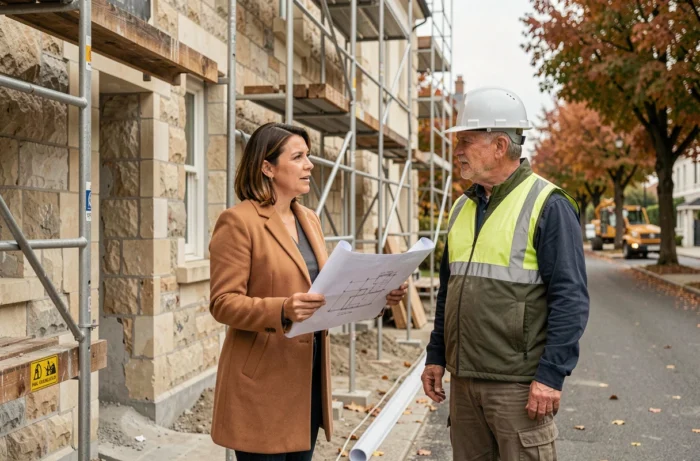
Tailored property support: distinguishing a genuine opportunity from a regulatory gamble
A property whose rental profitability depends on a public grant or a future DPE reclassification is not an opportunity. It is a gamble. That distinction is crucial, and this is where personalized support can make all the difference.
Testing three scenarios
A thorough advisor does not simply project the best-case outcome. They consider three working assumptions:
- Favorable scenario: the grants cover the expected share, the work stays within budget, the property reaches its target rating, and it rents for the estimated amount.
- Downside scenario: some of the grants are no longer available when the application is submitted, or the final quote exceeds the initial budget. The return falls, but the project remains viable.
- Worst-case scenario: the grants are withdrawn or significantly reduced between the purchase and completion of the work. The property remains in an energy rating category that restricts its rental use. The project becomes loss-making, with no recourse available.
If the project is profitable only in the favorable scenario, the risk is too concentrated. Tailored support helps quantify this gap before you commit.
Mon Accompagnateur Rénov’: an obligation to be aware of
To qualify for MaPrimeRénov’ Parcours accompagné (major renovation), you must use Mon Accompagnateur Rénov’. Their role includes assessing the property, defining the work, preparing the financing plan, and monitoring progress through to a post-renovation visit. This scheme is designed to prevent poorly planned renovations, but it does not replace advice on buying a property. Property support starts upstream, even before you view the property.
Budget and borrowing capacity: what tailored support assesses first
Before discussing renovation work or the DPE, every property project starts with a simple question: how much can you really invest?
Borrowing capacity is about more than applying a debt-to-income ratio. It takes into account your disposable income after expenses, the loan term, expected costs (service charges, property tax, insurance) and, for a rental investment, periods when the property may be vacant. A good advisor factors in future costs, not just the purchase price.
A mortgage broker may be able to secure a competitive rate. But they will not tell you whether the property you are considering fits your wealth-building strategy. Tailored support brings the financing and the project together, comparing the financing plan with local market conditions, the neighborhood’s rental potential, and the property’s regulatory constraints.

Rental investment: warning signs an advisor can spot for you
Some red flags can go unnoticed when you buy on your own. An experienced advisor knows how to identify them because they have encountered them in other cases.
Here are some of the most common on today’s market:
- An unusually low price per square meter compared with the neighborhood, often concealing structural work that is not visible during a viewing (roofing, utility systems, or deteriorating common areas).
- A DPE rating calculated using the old conversion factor, giving a less favorable picture than the reality. The advisor checks which version of the assessment was used.
- A financing plan based on grants whose terms changed during the year. Since MaPrimeRénov’ was refocused in 2026, checking grant eligibility before making any offer has become essential.
- A gross rental yield quoted without deducting actual costs, overstating profitability by several percentage points.
These checks take time. They require cross-referencing regulatory sources, market data, and on-the-ground feedback. That is precisely what structured support provides.
Real estate agency, mortgage broker, or comprehensive support: choosing the right partner for your project
A real estate agency offers properties and facilitates the transaction. A mortgage broker optimizes the financing. A property project advisor supports you throughout the process, from defining your strategy to handing over the keys.
These three roles are not interchangeable. The right choice depends on how well you know the market and how complex your project is. For a first home purchase in an area you know well, an agency and a mortgage broker are often enough. For a rental investment involving renovation in a market you are unfamiliar with, comprehensive support reduces the risk of costly mistakes involving renovation work, tax, and regulatory deadlines.
The cost of this support should be weighed against the costs it can help you avoid. An inaccurate estimate of energy renovation work or a poorly anticipated public grant can add several thousand euros to your costs. Support cannot guarantee that a project will succeed, but it helps ensure every decision is based on verified data rather than optimistic projections.