
Weekly sports participation is growing in France, but sports clubs are losing ground. Meanwhile, the Pass Culture is preparing to evolve towards more diverse cultural pathways by 2030. Together, these trends raise a practical question for anyone looking to fill their free time: should you pursue an activity on your own, join a structured organization, or opt for group discovery programs?
Solo, club-based or group leisure activities: a comparison of different formats
Choosing a leisure activity depends as much on the activity itself as on the setting in which you pursue it. The same sport or artistic discipline can be a very different experience depending on whether you do it alone at home, at a sports club or as part of a one-off group event.
| Criterion | Independent practice (solo) | Sports club | One-off group activity |
|---|---|---|---|
| Scheduling flexibility | Complete | Limited to scheduled sessions | Varies by event |
| Cost to get started | Low (personal equipment) | Membership fee + dues | Often free or included (Pass Culture, open days) |
| Technical guidance | None | Instructor or coach | Activity leader or facilitator |
| Social connection | Limited | Regular, with the same group | Short-lived, with a diverse group |
| Long-term commitment | Flexible, but with a risk of giving up | Annual, encouraging commitment | No commitment |
| Discovering new activities | Self-taught | Specialized | Wide range |
This table highlights a key trade-off. Independent practice offers maximum freedom, while a club provides structure for making progress. One-off group activities, meanwhile, mainly serve as a gateway to activities you might not otherwise have tried.
Recent trends confirm that leisure activities are becoming more varied. Sports club memberships rose again after the Paris 2024 Games, but this increase reflects only part of the picture: most people still run or cycle without a membership. These different ways of staying active are regularly covered in Actu Web’s leisure section.
Independent sports practice: why sports clubs are losing ground
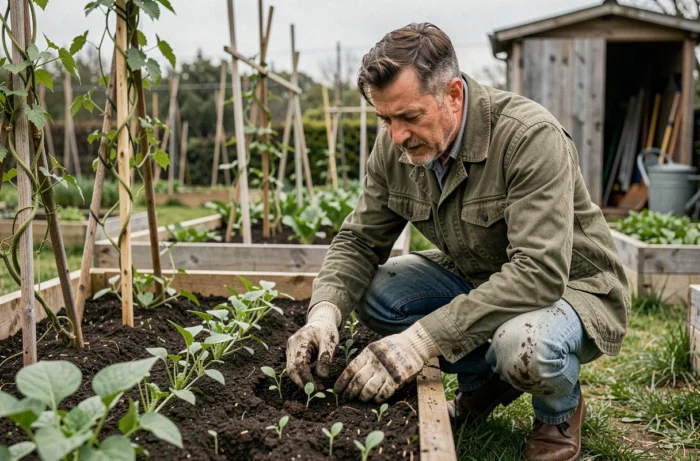
Weekly sports participation is growing in France, but sports clubs are losing ground to independent practice. Running, cycling, working out at home or at a private gym: these activities require neither an annual membership nor a fixed schedule.
Several factors explain this shift. Busy schedules encourage more flexible formats. A morning run before work does not depend on a club’s timetable. Tracking apps and workout videos are partly replacing instruction from a coach.
The decline of sports clubs raises questions about technical progress. Without guidance, runners risk injuries caused by poor running form. People who lift weights may plateau without a suitable program. Clubs retain a clear advantage in two areas:
- Regular technical guidance that corrects postural issues and adjusts intensity to the participant’s actual level
- Group dynamics that help maintain motivation over time (people are more likely to give up after a few weeks when exercising alone)
- Access to local or regional competitions, which give participants a concrete goal
The choice between independent practice and structured coaching is not an either-or decision. Alternating independent sessions during the week with a coached workout at the weekend is one way to combine flexibility with progress.
Pass Culture and cultural activities: an underused way to discover new interests
The Pass Culture is not limited to buying books or cinema tickets. Its strategic plan through 2030 aims to strengthen young people’s civic engagement in cultural life and support discovery pathways, including outside school hours.
During the 2024–2025 school year, the collective component of the Pass Culture enabled students to take part in supervised cultural outings and projects. The individual component, meanwhile, was widely used for personal choices such as live performances, music and visual arts.
Cultural activities available through the Pass Culture
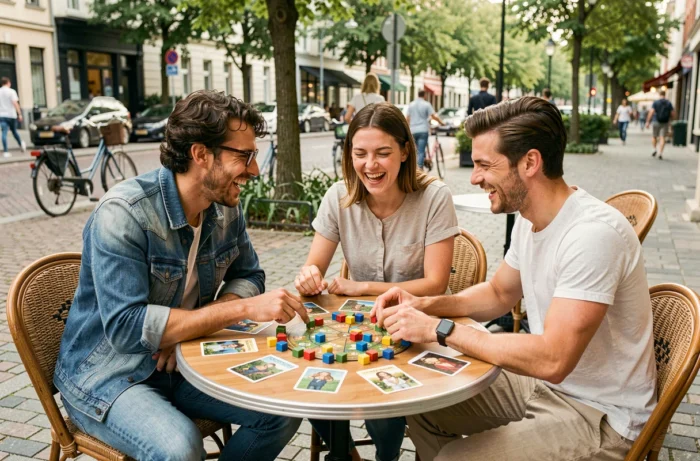
This program opens the door to leisure activities many people might not try on their own. Painting workshops, drawing classes, coloring workshops for adults and DIY introductions: the individual component of the Pass Culture funds creative activities that are often overlooked.
The planned shift towards more diverse, participatory pathways should amplify this effect. Rather than passively consuming a cultural offering by buying a ticket, the program aims to get young people involved in hands-on activities. An art bookbinding workshop or a screen-printing session engages the body and mind in a way that simply visiting a museum does not.
Creative hobbies and stress management: what everyday activities can tell us
Painting, drawing, coloring and crafts meet a growing need to switch off. Just a few minutes of coloring or free drawing can ease the mental tension built up during the day.
The key is choosing an activity that suits your own pace. Adult coloring requires little equipment and no prior skills. Painting and drawing take time to learn, but wellness practitioners have documented their effects on concentration.
Making time for a regular creative activity brings structure to everyday life, just like a workout. A common mistake is to focus on achieving an immediate aesthetic result instead of engaging with the process. A failed sketch is better than scrolling on a screen for thirty minutes.
Choosing between physical and creative activities
This is a false choice. Both can help manage stress and everyday life. Alternating between sports and creative activities benefits both body and mind. A week that includes two runs, a painting workshop and an evening of DIY offers enough variety to stay engaged without getting bored.
The most reliable criterion when choosing an activity is consistency. A hobby practiced for twenty minutes three times a week offers more benefits than an ambitious activity abandoned after a month. The best leisure activity is the one you are still doing six months from now, whatever format you choose.