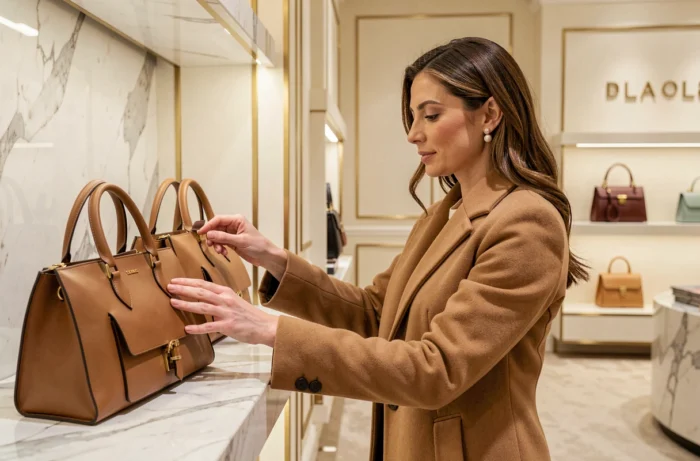
Luxury shopping in Paris is no longer just a stroll down the Champs-Élysées. This season, luxury shopping trends are structured around three movements: a reimagined in-store experience, the integration of second-hand items by the brands themselves, and a new focus on the traceability of pieces. These developments change the way we buy, not just what we buy.
The context also calls for nuance. According to the International Association of Department Stores, foot traffic in Parisian luxury boutiques declined in the first half of the year, despite the increase in tourism. Resistance to prices and the growth of online shopping partly explain this gap. The brands that are thriving are those that offer a concrete reason to visit.
Flagship stores in Paris: how new addresses change the shopping experience
The flagship is no longer just an oversized point of sale. Recent openings in Paris show that the sales space is becoming a place to linger, with integrated cafés, curated book selections, or temporary exhibitions. Sézane, for example, has set up a pop-up shop on Rue du Bac with a café-bookstore designed to extend the visit beyond the purchase.
Loewe has opened a second Casa in Paris, Max Mara has renovated its location, and Ami Paris has settled in Place des Victoires. The common thread: each boutique incorporates a feature that distinguishes it from an online purchase. When you can try on a piece in a setting designed by an interior architect, enjoy a coffee on-site, and leave with an exclusive store item, the trip is justified.
For those looking to spot trendy pieces before heading to the store, it is possible to check offers on Luxe On Line to compare the collections available this season.
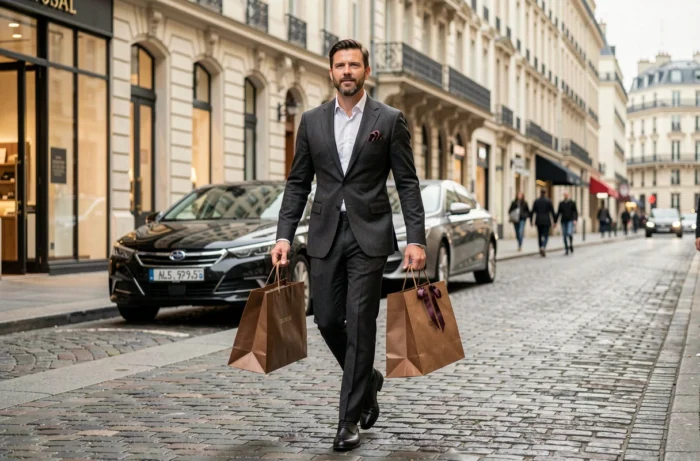
Second-hand fashion and luxury resale: when brands take control
Second-hand is no longer a parallel circuit reserved for independent platforms. According to Deloitte’s Global Powers of Luxury 2026 report, some buyers discovering a brand through resale subsequently purchase new products. Brands have understood this and are now integrating resale into their own strategies.
Mulberry is developing a buy-back and resale program. Louis Vuitton is highlighting repairs as part of the Monogram year. These initiatives transform the lifecycle of a bag or coat into a selling point, not a concession.
The pre-loved luxury market is also being structured in terms of trust. The index published by Nuvinty lists recent initiatives regarding traceability and carbon footprint, notably at Pandora. For luxury shopping this season, this means that a certified second-hand purchase from the brand offers guarantees that did not exist a few years ago.
What this changes for style this season
Buying a vintage or pre-loved piece from a major house is no longer a compromise. It is a style choice in its own right, often more distinctive than a purchase from the current collection.
Luxury fashion trends for autumn: the pieces and codes that define the season
The collections presented this season share some recognizable guidelines in-store. Rather than listing all the brands, three codes dominate Parisian luxury shopping:
- Soft leather in ample volumes: long coats, deconstructed jackets, oversized bags. Max Mara and Lemaire offer versions that focus on cut rather than embellishments.
- Neutral and earthy tones replace the bright colors of the previous season. Brunello Cucinelli and Ami Paris push this palette in their new Parisian windows.
- Jewelry worn in discreet layers: thin rings, stacked chains, repositioned brooches. This trend highlights artisanal pieces designed for everyday wear.
The common thread of these trends: the quality of the material takes precedence over the visible logo. This season’s buyers prioritize material, cut, and durability over ostentatious branding.
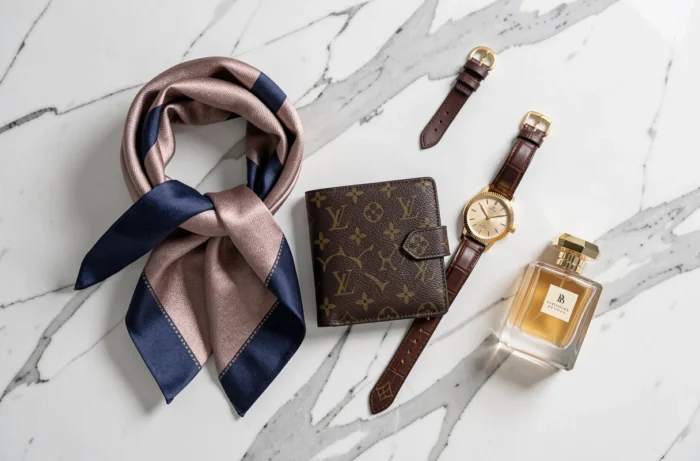
Luxury shopping by neighborhood in Paris: where to focus your visits
Rather than rushing from one address to another, grouping visits by neighborhood allows you to enjoy the experience without unnecessary fatigue. Three areas concentrate the most notable openings and renovations this season:
- The Marais: several independent fashion and jewelry brands are establishing themselves here. The neighborhood remains the territory of creators who do not want the formality of the right bank.
- Saint-Germain and the 7th arrondissement: the Sézane pop-up on Rue du Bac, historic fashion boutiques, and art galleries create a natural path between shopping and culture.
- Palais-Royal and Place des Victoires: Lemaire has opened its third boutique within the Palais-Royal perimeter, and Ami Paris now occupies Place des Victoires. This area offers a density of flagships within a compact pedestrian zone.
These three areas allow you to cover the essentials of the season’s trends in just a few hours, without crossing Paris from end to end.
This season’s luxury shopping is characterized by a shift in the center of gravity: the act of purchasing is as important as the item purchased. The brands that attract are those that offer a visit experience, a guarantee of traceability, or a second-life program. The price alone is no longer enough to justify a trip to the store, and this is likely what makes this season more interesting than previous ones for discerning fashion enthusiasts.